Passwords Are Dying — But Nobody Told Your Users
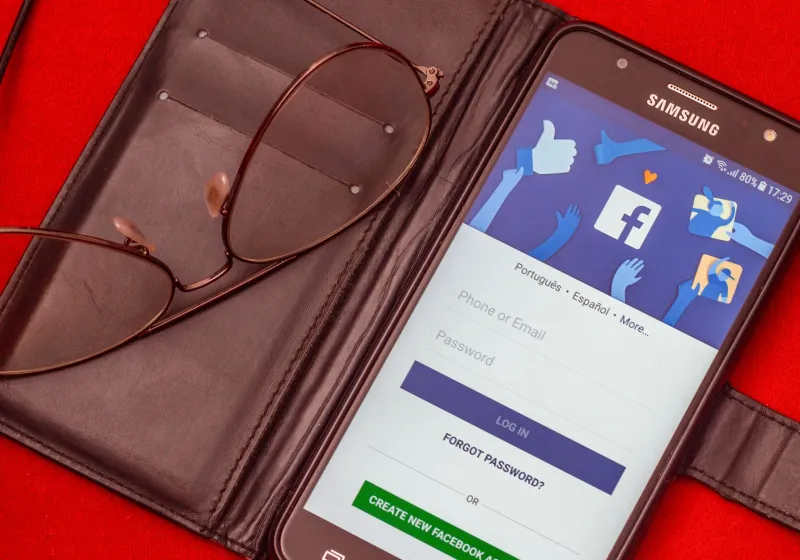
Somewhere between a forgotten password reset email and a biometric scan that won't recognize your face in bad lighting, the web quietly declared war on the password. Apple, Google, and Microsoft — the three companies that collectively control how most Americans log into everything — have been pushing passkeys and biometric authentication hard. Real hard. And on paper, the pitch is flawless: no more weak passwords, no more phishing, no more "your account has been compromised" emails at 2 a.m.
But here's what the product announcements don't mention: the transition is a mess, users are confused, and when the new systems fail, they fail in ways that are way harder to recover from than a simple forgotten password ever was.
What Passkeys Actually Are (And Why They Sound Better Than They Are)
Passkeys are cryptographic credentials stored on your device — your phone, laptop, or tablet — that replace the traditional username-and-password combo. Instead of typing something in, your device authenticates you using a private key that never leaves the hardware. On the surface, this is genuinely brilliant. There's nothing to steal from a server breach because the secret never lives on a server. Phishing attacks that trick you into entering credentials on a fake site? Basically neutralized.
Apple rolled passkeys out to iCloud Keychain users back in 2022. Google followed with Chrome and Android integration. Microsoft has been pushing Windows Hello and FIDO2 authentication across its ecosystem for years. The FIDO Alliance — the industry consortium behind the underlying standard — declared 2023 the year passkeys would go mainstream.
They weren't entirely wrong. But "mainstream" is doing a lot of heavy lifting in that sentence.
The Adoption Gap Nobody's Talking About
Here's the uncomfortable reality: a huge portion of American internet users have no idea what a passkey is. According to surveys run in 2023 and 2024, awareness of passkey technology hovers somewhere between 20 and 40 percent among general consumers, depending on age group. Among users over 50 — a massive and economically significant demographic — the numbers drop considerably lower.
Meanwhile, the platforms pushing hardest for adoption are doing it in ways that create friction rather than eliminate it. Google's passkey prompts pop up mid-session, asking users to set up a new authentication method when they're trying to do something else entirely. Apple's iCloud Keychain sync works seamlessly — until it doesn't, and then troubleshooting it requires a level of technical fluency most casual users simply don't have.
The result is a strange middle ground where power users are increasingly passwordless and everyone else is clicking "remind me later" indefinitely.
When the New System Breaks, It Really Breaks
This is where things get genuinely thorny. Forgotten passwords are annoying, but the recovery process is well-understood. You click a link, check your email, pick something new, move on. The entire flow has been refined over two decades.
Passkey failures don't work like that.
If your device is lost or stolen, your passkeys go with it — unless you've got them synced to a cloud account. If your iCloud account is locked, your passkeys are locked too. If you're trying to log into a service from a new device and your old device is gone, the recovery path can involve a maze of account verification steps that would make even a patient person give up.
Microsoft has faced this with Windows Hello, where enterprise users who lose their enrolled device sometimes find themselves locked out of critical work systems for hours while IT scrambles. Apple's account recovery process — which involves a recovery key or a trusted contact — is robust in theory but confusing enough in practice that support forums are full of people who've lost access to years of data.
The irony is brutal: a system designed to eliminate the security nightmare of passwords has introduced a different kind of nightmare. One that's arguably harder to explain to a frustrated customer on the phone.
Competing Standards Are Making It Worse
Here's another wrinkle the big platforms aren't exactly advertising: they're not all using the same implementation. The FIDO2 and WebAuthn standards provide a foundation, but Apple, Google, and Microsoft have each layered their own ecosystems on top of that foundation in ways that don't always play nicely together.
Log in with a passkey on Chrome on Android, then try to access the same account from Safari on a Mac? In some implementations, you're starting from scratch. Cross-device, cross-platform authentication is improving, but it's still nowhere near seamless. For users who live in one ecosystem — all Apple or all Google — things work reasonably well. For the significant chunk of Americans who mix and match platforms, the experience can be genuinely frustrating.
This fragmentation is a gift to the password manager industry, by the way. Companies like 1Password and Dashlane have been quietly positioning themselves as the cross-platform passkey solution the big tech companies haven't fully delivered yet. Which is a bit like watching the ambulance business boom because the roads are bad.
What Sites and Developers Should Actually Do Right Now
If you're building or managing a web product, the temptation is to either sprint toward passwordless authentication because it's the future, or ignore it entirely because the transition is painful. Neither extreme is smart.
The practical play right now is layered authentication: support passkeys for users who want them, maintain solid traditional password infrastructure for users who aren't ready, and make the fallback and recovery flows genuinely clear and human. The worst thing you can do is half-implement passkeys — adding the option without building out proper recovery paths — and leave users stranded when something goes wrong.
Also worth noting: for any site handling sensitive user data, the security benefits of passkeys are real and significant. Phishing-resistant authentication isn't a marketing phrase; it materially reduces account compromise rates. The goal isn't to slow-walk the transition. It's to run it without leaving users behind.
The Bottom Line
The password era is ending. That's not hype — it's a structural shift backed by the largest technology companies on the planet and a standards body with serious industry buy-in. But "ending" doesn't mean "over," and the gap between where the industry wants to be and where actual users are living right now is wide enough to cause real damage.
The platforms leading this charge have a credibility problem: they're announcing a revolution while quietly papering over the parts that don't work yet. For the average American trying to log into their bank or their kid's school portal, the passwordless future still feels like a confusing, half-finished construction zone.
The technology is genuinely better. The rollout is genuinely rough. And until the industry figures out how to bridge that gap, users are the ones caught in the middle — which, if you've been paying attention to how big platforms handle transitions, is pretty much exactly where they always end up.