Everyone's Chasing TikTok's Playbook — And It's Changing the Internet You Thought You Knew
Let's be honest: nobody asked for their LinkedIn feed to start feeling like TikTok. But here we are.
Somewhere around 2022, a quiet consensus formed in Silicon Valley boardrooms and product strategy decks: TikTok had figured something out that everyone else missed. And rather than try to compete on originality, the biggest platforms in the world decided to copy it. Not subtly, either. Aggressively, openly, and at scale.
In 2024, the great content consolidation is basically complete. Here's what happened, why it matters, and what it means if you're trying to build an audience online.
TikTok Didn't Invent the Algorithm — It Just Proved It Could Replace Everything Else
Recommendation algorithms aren't new. YouTube has had one since the early 2010s. Netflix built its entire identity around one. But TikTok did something different: it made the algorithm the entire product.
On most legacy platforms, you followed accounts. Your feed was anchored to those relationships. The algorithm supplemented your feed with recommendations, sure, but the social graph — who you followed — was the foundation.
TikTok inverted this. The For You Page doesn't care who you follow. It cares what you watch, how long you watch it, whether you replay it, and whether you share it. New users with zero followers can go viral overnight. Established accounts with millions of followers can post to crickets if the content doesn't perform.
This was a genuinely new model. And when it turned out that people would spend an average of 90-plus minutes a day on the app, every other platform took notice.
The Copycat Era: What Each Platform Actually Did
YouTube launched Shorts and simultaneously turbocharged its main feed recommendations, making it increasingly common to see content from channels you've never heard of sitting right next to uploads from your subscriptions. The "Subscriptions" tab still exists, but YouTube's default experience is now heavily algorithm-driven. Many creators have reported that their subscriber counts matter less than they used to — watch signals are what move the needle.
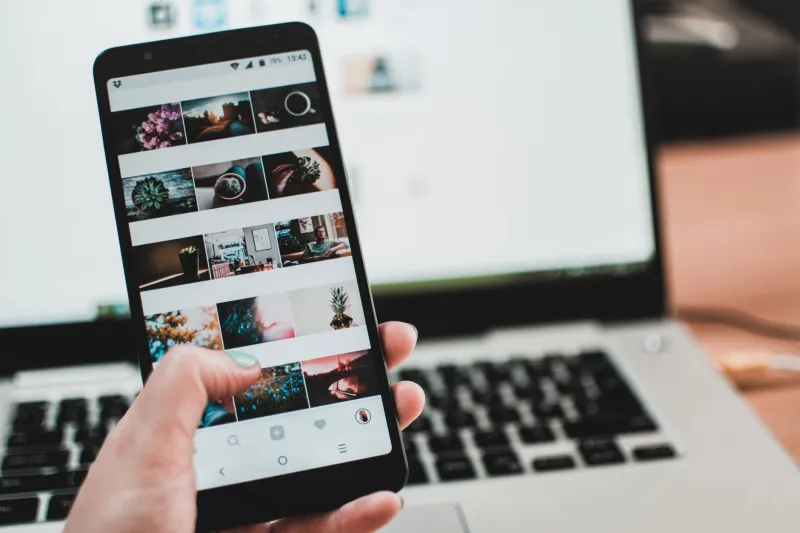
Instagram made the shift most visibly and most controversially. The platform's 2022 pivot toward Reels-first content and algorithmic ranking of the main feed sparked a genuine backlash, including a viral petition signed by celebrities like Kylie Jenner demanding Instagram "be Instagram again." Meta rolled back some changes, but the direction hasn't really changed. Reels dominate reach. Algorithmic posts from accounts you don't follow are a permanent fixture.
Twitter/X under Elon Musk's ownership has leaned hard into an algorithmic "For You" feed as the default, pushing the chronological "Following" feed to a secondary tab. The platform also changed its monetization structure in ways that reward viral, high-engagement content — which, coincidentally, is exactly what TikTok-style algorithms favor.
LinkedIn is probably the most surprising entry on this list. The professional networking platform has steadily shifted toward surfacing "trending" and algorithmically recommended posts from people outside your network, particularly video content. The LinkedIn feed in 2024 looks and behaves nothing like it did in 2018.
What This Actually Means for Creators and Marketers
If you're building an audience online — whether you're a solo content creator, a brand, or a publisher — this shift has real consequences.
Follower counts mean less. On a TikTok-style algorithm, your existing audience is basically just the initial test group for your content. If they engage, the algorithm expands distribution. If they don't, it doesn't matter how many followers you have. This is democratizing in some ways and brutal in others.
Content quality (by algorithmic standards) trumps consistency. The old advice about posting consistently and building a loyal following is still valid, but it's no longer sufficient. A single piece of content that hits the algorithm's signals can outperform months of consistent posting. That changes the calculus for creators significantly.
Discoverability is both easier and more volatile. New accounts can grow faster than ever before. But existing audiences can evaporate just as quickly if your content stops performing. Platform dependency — always a risk — is now more acute.
For advertisers, targeting is getting weirder. When platforms move away from social graph-based feeds, the audience context for ads shifts. You're no longer just reaching someone because they follow a relevant account — you're reaching them because the algorithm decided they'd engage with content in a certain category. That's a different kind of targeting, with different implications for brand safety and relevance.
The Part Nobody Wants to Say Out Loud
Here's the uncomfortable truth underneath all of this: these platforms aren't copying TikTok because it's better for users. They're copying it because it's better for engagement metrics, which is better for ad revenue.
TikTok's algorithm is extraordinarily good at keeping people on the app. That's what the other platforms want. Whether it results in a healthier, more satisfying internet experience for actual humans is a separate question that these companies are not particularly incentivized to ask.
For content creators and digital marketers, the practical response is the same regardless of how you feel about it: understand the signals each platform rewards, create content that earns those signals authentically, and avoid building your entire audience on any single platform you don't control.
The algorithm giveth. The algorithm taketh away. Build your email list accordingly.